
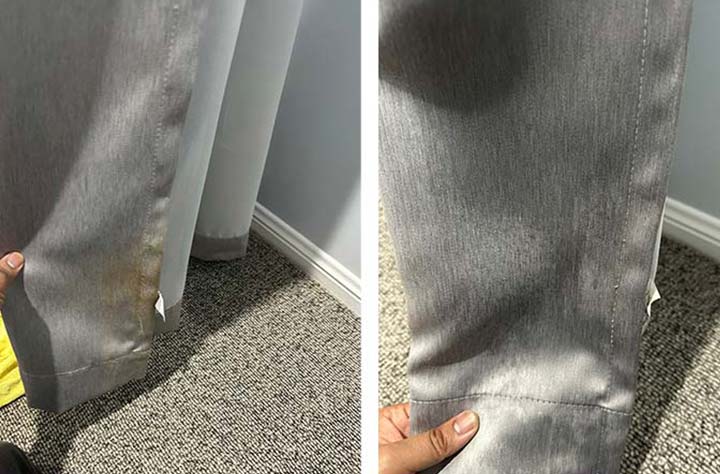
If your white curtains have turned yellow, the most effective fix is an overnight soak in oxygen-based bleach (like OxiClean) and hot water, followed by a regular wash. This works because the yellowing is usually caused by a combination of oxidized body oils, smoke residue, sunlight damage, or minerals in your water. Oxygen bleach is the only method that safely breaks down these organic stains without destroying delicate curtain fabrics.
You can restore curtains you thought were ruined. I will walk you through exactly how to do this, why it works, what to avoid, and how to keep them bright once they are clean.
What You Should Know About Yellow Stains on White Curtains
Yellowing on white curtains rarely comes from a single source. You are usually dealing with one or more of these causes.
Oxidized body oils and sweat: If your curtains hang near a bed or seating area, skin oils transfer invisibly onto the fabric. Over time, exposure to air and light oxidizes those oils, turning them yellow. This is the same reason white shirt collars yellow with age.
Tobacco smoke or cooking grease: Tar and nicotine from cigarettes leave a sticky, yellowish film. Cooking oils do the same thing, especially in kitchens without strong ventilation.
Sunlight and heat exposure: Ultraviolet light breaks down certain fabric finishes and optical brighteners that manufacturers apply to make curtains look white. As those brighteners degrade, the natural off-white or yellowish color of the underlying fibers becomes visible. This is not a stain you can remove. This is fiber damage, and I will explain how to tell the difference.
Hard water minerals: If you wash your curtains in hard water and line-dry them, dissolved iron and calcium can deposit into the fibers and oxidize into a yellow or rust-colored tint.
How You Can Identify the Type of Yellowing First
Before you reach for any cleaning product, you need to know what you are fixing.
Grab a white cloth dampened with a little hydrogen peroxide. Rub it gently on a hidden hem or corner of the yellowed area. If yellow residue transfers to the cloth, you are dealing with a topical stain from oils, smoke, or grease. This is removable.
If nothing transfers and the fabric itself looks uniformly yellowed or brittle, especially on the side that faced the window, you are likely seeing UV degradation. That color change is permanent. You cannot reverse fiber damage, but you can still brighten the fabric slightly with optical brighteners, which I will cover later.
This test takes one minute and prevents you from wasting a full day trying to wash out something that is not a stain.
Materials You Will Need
Do not substitute these items. The wrong product can set yellow stains permanently.
- Oxygen bleach powder, such as OxiClean Versatile Stain Remover or a generic sodium percarbonate product.
- Heavy-duty liquid laundry detergent that contains enzymes. Tide Ultra Stain Release and Persil ProClean are commonly effective.
- White vinegar or citric acid for a mineral-removal pre-soak, if hard water is the suspected cause.
- A bathtub, large plastic storage bin, or a top-loading washing machine with a soak cycle.
- Hot water, as hot as your curtain care label allows.
What you should never use on yellowed white curtains:
- Chlorine bleach (sodium hypochlorite). It can react with certain finishes and actually make synthetic fabrics turn more yellow. It also weakens fibers permanently.
- Fabric softener or dryer sheets. These coat fibers with a waxy residue that traps yellowing agents.
Step-by-Step Process for Removable Stains
This method works for washable cotton, polyester, and poly-cotton blend curtains. Always check the care label first. If it says dry clean only, stop. Take them to a professional and clearly point out the yellowing so they can use a solvent-based approach.
Step 1: Remove All Hardware
Take off every hook, ring, pin, and clip before the curtains touch water. Metal hardware will rust during soaking and create permanent orange stains that are far worse than the yellowing you are trying to remove.
Step 2: The Oxygen Bleach Soak
This is the step that does the heavy lifting.
Fill your bathtub or a large plastic bin with the hottest water the fabric label allows. For cotton, this is usually hot tap water around 60°C or 140°F. For polyester blends, use warm water to avoid setting wrinkles permanently.
Dissolve one full scoop of oxygen bleach powder per gallon of water. Do not skip the dissolving step. Undissolved granules can land directly on the fabric and create uneven light spots.
Submerge the curtains completely. Use a clean bucket or jug to push them under. They need to stay fully submerged for the entire soak.
Let them soak for at least six hours. Overnight is better. The stain-removal reaction continues as long as the water remains warm and the oxygen is active. If the water cools completely after a few hours, the process slows but does not stop entirely.
Step 3: Check Before You Wash
After soaking, drain the dirty water. You will likely see it has turned a murky yellow-brown. That is the oxidized oil and grime lifting out of the fabric. Do not skip straight to the washing machine yet.
Inspect the curtains while they are still wet. If yellowing persists in patches, mix a paste of oxygen bleach powder and warm water. Use a soft-bristle brush to work this paste directly into the stained areas. Let it sit for 30 minutes.
Step 4: Machine Wash on a Long Cycle
Transfer the curtains to your washing machine. Do not overload the drum. Curtains need room to move freely for the mechanical action to rinse out the lifted stains.
Use the normal amount of enzyme detergent. Add another half-scoop of oxygen bleach to the drum. Wash on the longest cycle your machine offers, with warm or hot water as the label allows. Use an extra rinse cycle. Leaving detergent residue in the fibers makes the fabric attract new dirt faster.
Step 5: Air Dry Only, Unless You Are Certain
Never put white curtains in a dryer unless you are absolutely certain every trace of yellowing is gone. Heat sets organic stains permanently by binding proteins and oils deeper into the fiber structure. Once heat sets the stain, you will not get it out.
Hang the curtains back on their rod while slightly damp. The weight of the fabric pulls out wrinkles as they dry. If you need to speed up drying, use a fan pointed at the hanging curtains, not a dryer.
How You Can Remove Hard Water Mineral Yellowing
If your yellowing comes from iron or hard water deposits, oxygen bleach alone will not help. You must remove the mineral buildup first.
Fill your tub with warm water and add two cups of plain white vinegar or one tablespoon of citric acid per gallon of water. Soak the curtains for four hours. The mild acid dissolves iron and calcium deposits that create a yellow or rust-colored film.
After the acid soak, drain the water and proceed directly to the oxygen bleach soak from Step 2 above. Doing both steps in the right order removes the mineral barrier first, then tackles any organic staining underneath.
What Happens If the Yellowing Is UV Damage
When the hydrogen peroxide rub test shows no transfer, and the fabric is evenly yellowed with a slightly brittle texture, you are dealing with photo-degradation. No amount of soaking or washing reverses this.
What you can do is restore some visual brightness using a commercial optical brightener product. These are not stain removers. They are fluorescent dyes that absorb ultraviolet light and re-emit blue light, tricking your eye into seeing a brighter white.
Look for a laundry product labeled "bluing" or "optical brightener." Mrs. Stewart's Liquid Bluing is a well-known example. Follow the dilution instructions carefully. Using too much turns your curtains pale blue.
Treat UV damage as the end of the curtain's useful life. You are buying time, not reversing the damage. Plan to replace them if optical brighteners do not restore an acceptable appearance.
Common Mistakes You Should Avoid
Using bleach on polyester sheers. Chlorine bleach reacts with the polyester polymer itself, creating a permanent chemical yellowing that intensifies over time.
Soaking in cold water. Oxygen bleach needs heat to activate. Cold water soaks produce negligible results because the release of oxygen ions happens too slowly.
Scrubbing curtains while they are dry or lightly damp. You will grind surface oils deeper into the yarns instead of lifting them out. Always work with fully saturated fabric.
Mixing chlorine bleach with vinegar or ammonia. This is dangerous. It creates toxic chloramine gas. Never mix cleaning chemicals unless you are certain of the chemistry.
Storing curtains before they are completely dry. Slight residual moisture in folded fabric creates mildew, which leaves permanent grayish-yellow spots.
How You Can Prevent Yellow Stains from Returning
Once you have restored your white curtains, these habits keep them white.
Wash them every three to four months, not once a year. The body oils, dust, and airborne grease that cause yellowing build up gradually. Frequent washing prevents the oxidation process from gaining a foothold.
Use an oxygen bleach booster in every second wash. A quarter scoop added to your regular detergent maintains whiteness and prevents slow yellowing from creeping back.
If you smoke or cook frequently near the curtains, install a high-quality air purifier with a charcoal filter in that room. This captures oil aerosols before they settle on fabric.
Consider applying a fabric protector spray formulated for upholstery. Brands like Scotchgard Fabric Water Shield create a barrier that slows oil absorption. Reapply annually.
In rooms with heavy sun exposure, install window film that blocks UV rays. This protects both your curtains and your furniture from photo-degradation.
Cost Comparison of Removal Methods
| Method | Approximate Cost | Time Required | Best For |
|---|---|---|---|
| Oxygen bleach soak and wash | $5 to $10 per treatment | 8 to 12 hours (mostly passive) | Oil, smoke, and general organic yellowing |
| Vinegar mineral soak plus oxygen bleach | $5 to $12 per treatment | 10 to 14 hours (mostly passive) | Hard water mineral staining |
| Optical brightener treatment | $5 to $8 per bottle (multiple uses) | 30 minutes plus drying | UV-damaged fabric, cosmetic fix only |
| Professional dry cleaning | $20 to $50 per panel | 3 to 7 days | Dry-clean-only curtains, delicate trims |
| Curtain replacement | $30 to $200+ per panel | 1 hour installation | UV-damaged or heat-set stains beyond recovery |
FAQ Section
Can you use baking soda instead of oxygen bleach?
Baking soda helps deodorize and gently cleans, but it does not have the oxidizing power to break down the molecular bonds of yellowed oils. You can add half a cup to your wash as a booster, but baking soda alone will not remove set yellow stains.
Why did my white curtains turn yellow after I washed them and hung them in the sun?
This usually points to one of two causes. Either you used chlorine bleach, which reacted with a synthetic fiber finish and yellowed in sunlight, or you had hard water and air-drying in direct sun accelerated the oxidation of iron deposits in the fabric. Switch to oxygen bleach and dry indoors or in shade.
Are yellow stains on curtains the same as yellow pillowcases and sheets?
Yes, the mechanism is identical. Body oils and sweat oxidize on the fabric over time. The same oxygen bleach soak method works on white bedding.
Can I use hydrogen peroxide directly on yellow stains?
You can, but it is less effective than oxygen bleach powder for overall yellowing. Hydrogen peroxide is the liquid form of the same active ingredient. It works best as a spot treatment for isolated stains. For full panels, powdered oxygen bleach is more economical and delivers a stronger, longer-lasting solution.
Do I need to strip my curtains before treating yellow stains?
Stripping, which means soaking in a mixture of hot water, detergent, washing soda, and sometimes borax, works best for detergent and fabric softener buildup. If your yellowing comes from buildup, stripping helps. If it is from oxidized oils, oxygen bleach is the more direct solution. You can strip first and then oxygen bleach soak for maximum effect.
Will this method work on blackout curtains?
Check the care label. Many blackout curtains have a rubberized or thermal backing. Hot water and long soaks can delaminate that backing from the fabric. For blackout curtains with attached linings, spot-treat yellow stains with a damp paste of oxygen bleach and cold water, then hand-rinse. Do not submerge them.
How many times can I oxygen bleach white curtains before damaging them?
Oxygen bleach is far gentler than chlorine bleach, but repeated high-concentration soaks stress natural fibers like cotton over years. For maintenance washes, use the maintenance dose rather than the stain-removal dose. For heavily soiled curtains, two or three intensive treatments per year is safe. Synthetic fabrics like polyester withstand more frequent treatments.
Key Takeaways
Yellow stains on white curtains are usually oxidized oils, minerals, or smoke residue, all of which oxygen bleach can break down safely. The soak step matters more than the wash step. Give the reaction time overnight.
Test any fabric before treating to confirm you are not dealing with permanent UV damage that no soak can fix. Avoid chlorine bleach and high dryer heat, both of which make yellowing worse or permanent.
Once your curtains are white again, wash them seasonally with an oxygen bleach booster and control the environment around them. Prevention is easier than restoration.
If you have tried the full soak and wash cycle twice with no improvement, the discoloration is likely permanent fiber degradation. At that point, replacement delivers better results than repeated chemical treatments that weaken the fabric further.