
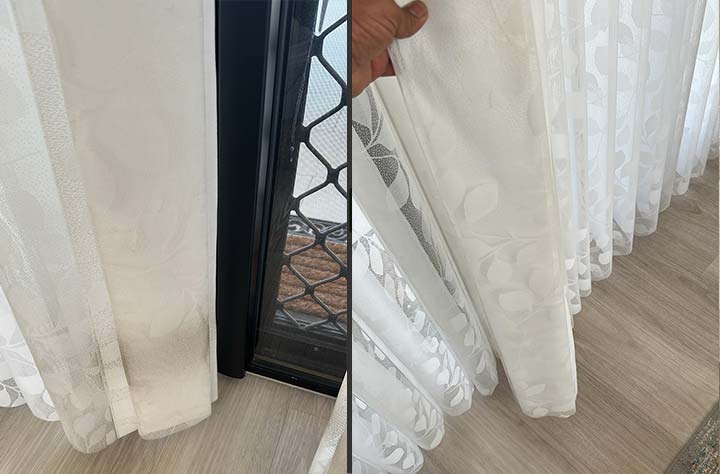
Yes, you can effectively clean your curtains without wrestling with heavy rods, unclipping rings, or dragging fabric to a laundromat. The method you choose depends entirely on the fabric type, the type of dirt you're dealing with, and your tolerance for risk. The safest universal method is vacuuming with an upholstery brush, followed by steam cleaning. Spot cleaning with a mild solvent works for stains, but full wet washing while curtains are hanging is risky and can lead to water stains, shrinkage, or rust from hardware.
Why this matters: Taking down and rehanging curtains, especially large thermal or blackout drapes, is time-consuming and physically awkward. If you have pinch pleats, grommets, or delicate silks, the hardware can damage the fabric during machine washing. Learning to clean them in place saves you hours and extends the lifespan of your window treatments.
The Critical Safety Check You Must Do First
Before you touch water or any cleaning solution, you must identify your fabric. The wrong method will ruin your curtains permanently.
Check the care label if it still exists. If not, use this rule of thumb based on industry experience:
- Synthetics (Polyester, Nylon, Blackout): Most forgiving. Usually safe for light steam and water-based cleaning.
- Natural fibers (Cotton, Linen): Prone to shrinking and water-staining. Requires very dry methods or minimal moisture.
- Silk: Water causes "water marking" (permanent rings). Do not use water. Dry clean only, even in place, using dry solvent powders.
- Velvet & Velour: Water crushes the pile. Steam is acceptable only if you restore the pile immediately.
The "hidden hardware" risk: Curtain rings, metal grommets, and decorative rods are often not stainless steel. If you soak them with cleaning solution, rust can drip down onto your fabric, causing orange stains that are nearly impossible to remove. Always protect metal hardware with plastic wrap and tape before wet cleaning.
Method 1: The Vacuuming Technique (For Dust and Allergens)
This is your first line of defense. Do this monthly to prevent dirt from embedding into the fibers.
Tools You Need:
- A vacuum with a hose.
- An upholstery brush attachment (the soft horsehair kind).
- A step stool (do not overreach; you'll strain the fabric).
The Top-Down Approach:
Start at the top header or rod pocket. Dust falls downward, so if you start at the bottom, you'll just dirty what you've already cleaned. Use a gentle suction setting. High suction can pull linings away from the face fabric or cause distortion in loosely woven sheers.
The Stiffening Test:
If your drapery feels stiff or has "crow's feet" wrinkles but no visible soil, you likely have a buildup of atmospheric soot (common in cities) or cooking oil aerosol (if near a kitchen). Vacuuming alone won't fix this. You need the steam or chemical method.
Method 2: Steam Cleaning (For Sanitizing and Odor Removal)
Steam is the most effective "in-place" deep cleaning method for polyester, cotton blends, and blackout curtains. It kills dust mites, removes musty smells, and relaxes wrinkles.
You Need a Quality Steamer:
Do not use a travel steamer or a kettle-like steamer that spits hot water. You need a garment steamer or a canister steamer with a continuous dry steam output. Water droplets are your enemy here; they leave tide marks on dry fabric.
The Process:
- Vacuum the curtains first. Steam pushes loose dust into a mud-like substance if you skip this.
- Cover metal grommets and rings with plastic wrap.
- Start at the top. Hold the steamer head 6-8 inches from the fabric.
- Work in vertical strips, moving slowly but never stopping. If you pause, you'll soak one spot.
- Crucial Step: Immediately after steaming a section, put the steamer down and wipe the fabric with a dry white microfiber cloth. Why? The steam lifts the dirt to the surface but doesn't necessarily remove it. If you let it evaporate, the dirt re-deposits. The microfiber cloth picks up the suspended soil.
- Leave windows open and run a fan. The fabric must dry quickly. If it stays damp for hours, you risk mildew, especially in a bedroom.
Method 3: Spot Cleaning Stains (Grease, Pet Soil, and Mold)
If you have a localized stain (dog drool on the sill edge, a splash of coffee), you don't need to clean the entire panel.
The Solvent Rule:
You need two solvents: one for water-based stains (coffee, wine) and one for oil-based (grease, skin oils). Water-based stains usually just need distilled water and a white cloth. Tap water can leave mineral rings. Blot, don't rub. If the stain is greasy, dry baking soda or cornstarch is your best friend. Apply a thick mound to the stain while the curtain is hanging. Tape a paper plate behind the stain to hold the powder in place. Let it sit for 24 hours to wick the oil out, then vacuum it off.
For the "Yellowing" on the Top Edge:
This is usually oxidized nicotine (if bought used) or off-gassing from polyurethane foam in old curtain headers. You can't "wash" this away with water. A dry-cleaning solvent sponge (available at hardware stores) works best here.
The "Steam and Tumble" Workaround for Sheers
Sheer curtains are a special case. They are often hung on tension rods inside a window frame. They attract dust and turn gray. Taking them down often causes them to snag on window cranks or splinters in the frame.
The In-Place Method for Sheers:
Fill a spray bottle with a mix of 1 part rubbing alcohol to 3 parts distilled water. Add a few drops of essential oil (like lemon) if you want deodorizing. Lay an old towel on the windowsill. Spray the sheer lightly just until damp, starting at the top. The alcohol evaporates almost instantly, lifting dirt without waterlogging the delicate weave. The towel catches the drips. Do not rub; the alcohol takes care of it.
Comparison of Cleaning Methods
Use this table to quickly identify the right approach for your situation.
| Problem | Best In-Place Method | Why This Works | What to Watch For |
|---|---|---|---|
| Surface Dust | Upholstery Brush Vacuum | Agitation releases "dust bunnies" without water. | Suction too high can tear loose weaves. |
| Musty Odor / Wrinkles | Garment Steamer + Dry Wipe | Heat kills odor-causing bacteria; wiping removes loosened soil. | Water spots if the steamer spits; cover metal hardware. |
| Greasy Splatter (Kitchen) | Dry Powder (Cornstarch) | Absorbs oil without spreading it like water does. | Requires 24 hours to sit; messy if the window is open. |
| Water-Based Stain (Coffee) | Distilled Water & Blotting | Dissolves sugar/tannins; blotting lifts them into the cloth. | Rubbing spreads the stain; tap water creates rings. |
| Graying Sheers | Alcohol/Water Spray | Quick evaporation prevents water-logging; acts as a solvent. | Ventilation is essential; flammable near pilot lights. |
Common Mistakes That Cause Permanent Damage
Based on documented evidence and cleaning manuals, here are the errors that ruin curtains beyond repair.
The Shrink Ray Effect:
You soak cotton drapery with a spray bottle. The face fabric shrinks, but the synthetic lining does not. The bottom hem starts to curl up. There is no fix for this. Never saturate natural fibers in place.
Rust Staining:
You use a wet cloth on the top header where there are hidden pin hooks. The metal rusts overnight and bleeds down a white panel, creating brown tracks that are impossible to bleach out because the bleach destroys the synthetic thread.
Pile Crush:
You steam a velvet curtain and then touch it or let the folds press together while it's warm and damp. The pile mats flat into shiny "scars" that look greasy. After steaming velvet, you must brush the pile in the direction of the nap with a soft brush while the steam cools.
Chemical Burns:
You spray a commercial spot remover on a stain and let it sit. The chemicals off-gas and yellow the fabric or dissolve the acrylic backing on blackout curtains. Always rinse (with a damp, clean cloth) the perimeter of a spot-treated area.
Advanced Considerations for Curtain Longevity
The Sunlight Factor:
If you clean one panel in place but not the other, you might notice a color difference. This isn't dirt; it's uneven sun bleaching. Regular, gentle maintenance (quarterly vacuuming) prevents the need for aggressive deep cleaning, which increases the risk of water damage.
The Lining Separation:
If your blackout lining looks "bubbled" or saggy, the adhesive has failed. Steam heat can actually make this worse by causing the adhesive to release further. In this case, doing nothing in place is better. The panel needs to come down for a restitching or replacement, not a cleaning.
Frequently Asked Questions
Q: Can I use a carpet cleaner with an upholstery attachment on my curtains?
A: Do not do this. Carpet cleaner injection sprays water forcefully into the fabric. This saturates the lining, dissolves glues, and causes rust on hidden grommets. The water extraction is not strong enough to leave them merely "damp"; they will be wet.
Q: How do I get rid of cooking smells in my kitchen curtains without washing them?
A: Use a spray bottle with cheap, unflavored vodka (the higher the proof, the better). Mist lightly. The alcohol binds to the oil-based odor particles and evaporates, taking the smell with it. This is a standard theater costume trick for fabrics that can't be washed between shows. Test on a hidden seam first to ensure it doesn't bleed any dyes.
Q: My white curtains are yellowing from the edges inward. Is this dirt?
A: Probably not. This is usually oxidation of the fibers, accelerated by sunlight or age. Cleaning will not make them white again. You would need to use an optical brightener or a reductive bleach (like Rit Color Remover), which requires taking them down and soaking them in a tub. Cleaning in place will only highlight the difference between the yellowed area (now wet) and the dry white area.
Q: Does steam cleaning kill mold?
A: Steam kills mold spores on the surface due to heat. However, if the mold has "eaten" into the cellulose of cotton or linen, the stain (the dead mold body) will remain. The steam will kill it, but you still may need a dry solvent sponge to physically remove the black staining.
Q: How often should I clean my in-place curtains?
A: Vacuum monthly. Steam or dry-clean in place annually, usually during spring cleaning when you can open windows for fast drying. Curtains are massive air filters. They trap more dirt than you think.
Key Takeaways for Safe In-Place Cleaning
The decision to leave your curtains up during cleaning is a trade-off between convenience and risk. Your main priority is preserving the fabric and hardware.
Here are your actionable next steps:
- Start Dry: Always vacuum first. You might find that's all they needed.
- Protect the Metal: Plastic wrap on all metal contact points before any moisture is introduced.
- Blot, Don't Rub: Whether dry cleaning fluid or water, always lift the stain.
- The Microfiber Wipe: If you steam, you must physically remove the wetted dirt before it dries. Steam alone just moves the dirt around.
- Know When to Quit: If the curtain is structurally unsound (failed lining, silk, severe yellowing), cleaning it in place is a temporary cosmetic fix that might accelerate its destruction. Sometimes, "in-place" cleaning is just a maintenance step, not a substitute for professional restoration.